הגדרות
 אספקה מהירה
ישראל ימי עסקים מקבלת חשבונית עד למכס7-10 ימים – שחרור יחול על הלקוח.
 Incoterms
DDP (מס בלו ומכס משולמים על ידי DigiKey)
 סוגי תשלום
חשבון אשראי עבור מוסדות ועסקים מאושרים
תשלום מראש בהעברה אלקטרונית


 מוצרי Marketplace
עוד מוצרים משותפים מורשים במלואם
זמן ממוצע למשלוח 1-3 ימים, ייתכן ויחולו דמי משלוח נוספים. אנא בדקו בדף המוצר, בעגלת הקניות ובסיום ההזמנה (Checkout) למהירות המשלוח בפועל.
Incoterms: CPT (מס בלו, מכס ומע"מ/מס החלים ישולמו בזמן המסירה)
לפרטים נוספים בקרו ב-עזרה ותמיכה
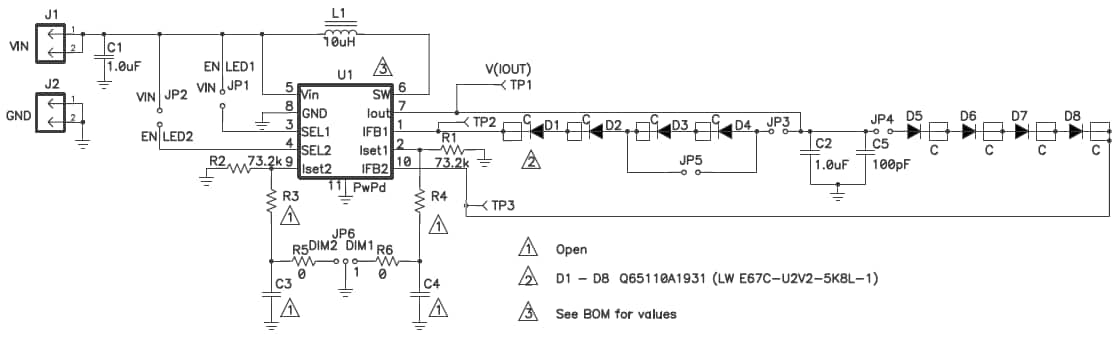
The Texas Instruments TPS61150EVM-150 evaluation module contains the TPS61150 IC. This EVM provides two independently regulated current outputs using a single inductor step-up (boost) converter.
This wide range evaluation board showcases the LM3424 NFET controller used with a buck-boost current regulator. It is designed to drive 4 to 10 LEDs at a maximum average LED current of 1A from a DC input voltage of 10 to 70V.
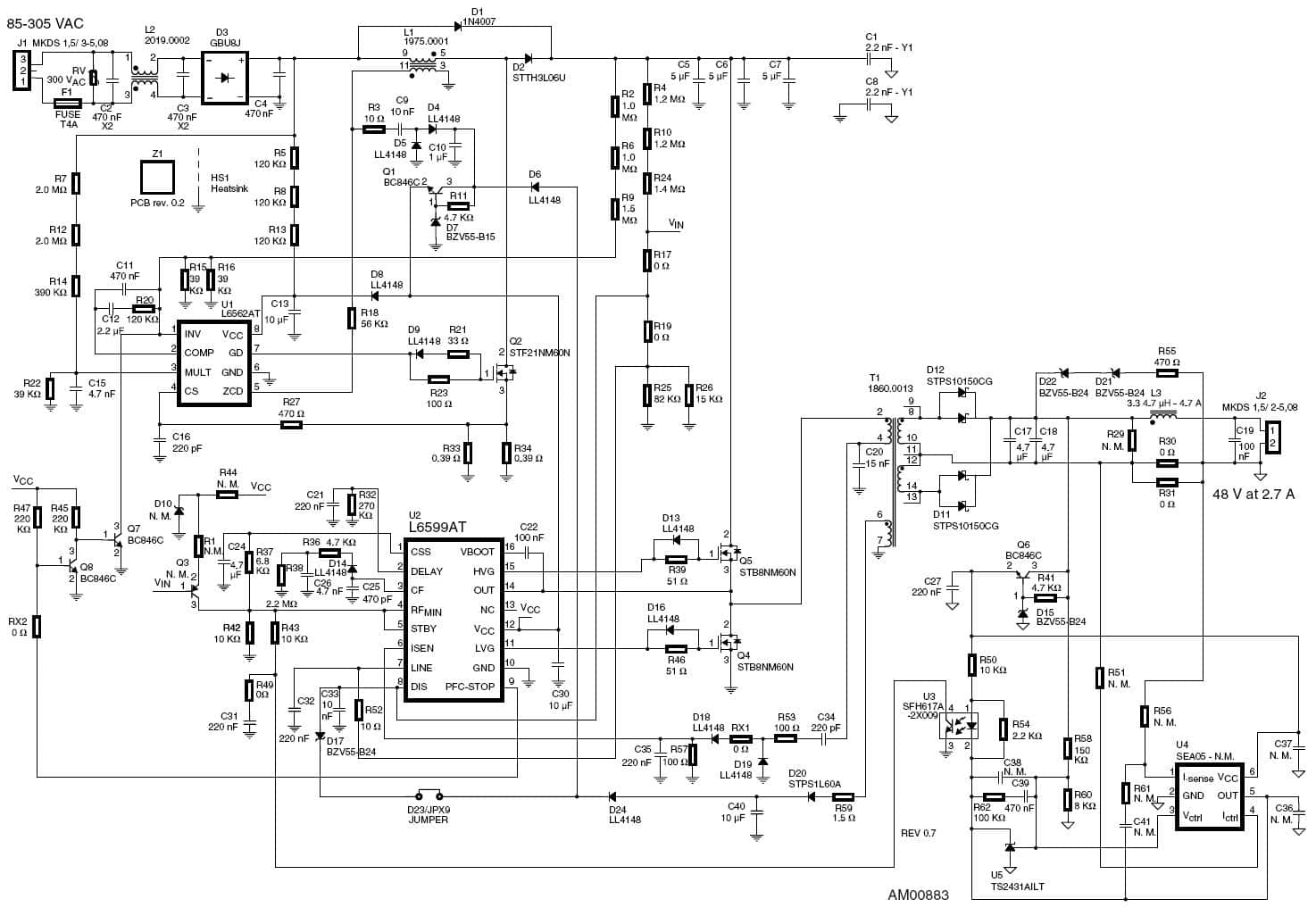
This application note presents a low-cost driver for LEDs that is compatible with TRIAC phase-control dimmers. The design gives luminaire manufacturers a low-cost, commonly available dimming option for home fixtures. A side benefit is that, when not wired to a dimmer, the unit's power factor is over 0.9. The design is based on the L6562A transitionmode PFC controller driving a single stage PFC-fl…
* For Constant Current, the board must be modified as described on page 8 of the user guide. * Streetlight applications require that the power supply designed to power an LED lamp must have high efficiency and at least an equivalent lifetime in order to guarantee maintenance-free operation during the life of the LED.
This evaluation board showcases the LM3409HV PFET controller for a buck current regulator. It is designed to drive 12 LEDs (VO = 42V) at a maximum average LED current (ILED = 1.5A) from a DC input voltage (VIN = 48V). The switching frequency (fSW = 400 kHz) is targeted for the nominal operating point, however fSW varies across the entire operating range.
Whenever a lighting application, such as street lighting for example, requires an elevated number of LEDs, there are basically two solutions: the first is to connect all the diodes in series in a single "string"; the second is to place several strings in parallel with fewer elements in each one.
This evaluation board is designed around an L6902D-based DC-DC converter with dimming interface. The board implements both of two well known dimming methods: - Analog current control - Average current control by PWM
The LM3404HV circuit and BOM have been designed to provide a constant forward current of 1.0A to a single LED with a forward voltage of approximately 3.7V from an input of 48V ±10%. Over the input voltage range of 6V to 75V the average LED current, IF, is 1.0A ±10%, the ripple current, ΔiF, will not exceed 400 mAP-P, and the switching frequency is 200 kHz ± 10%.
The ZXSC400 is voltage mode boost converter in SOT23-6 package. Its low feedback voltage allows the current in a chain of LEDs to be set and accurately monitored with a single resistor with minimal losses. The ZXSC400EV4 is configured as a boost converter to drive a 1W LED from two NiCd / NiMH batteries.
The ZXSC400, although designed for small LEDs in LCD backlighting, is sufficiently flexible to provide an efficient 1W solution producing a nominal 350mA constant current source from 2 NiMH or NiCd cells.
דפדוף-משותף
על ידי שימוש במאפיין דפדוף-משותף, אתם מסכימים לאפשר לנציג התמיכה של DigiKey לצפות מרחוק בדפדפן שלכם. כאשר חלון הדפדוף-משותף נפתח, תנו לנציג את מזהה הסשן (Session ID) שנמצא בסרגל הכלים.
DigiKey מכבדת את זכותכם לפרטיות. לפרטים נוספים אנא עיינו בהודעת הפרטיות ובהודעת קובצי Cookieשלנו.
כן, המשיכו לדפדוף-משותף
תודה רבה!
עקבו אחר תיבת הדואר הנכנס שלכם לחדשות ועדכונים מ- DigiKey!
אנא הזינו כתובת אימייל
אנא אשרו את תיבת הסימון